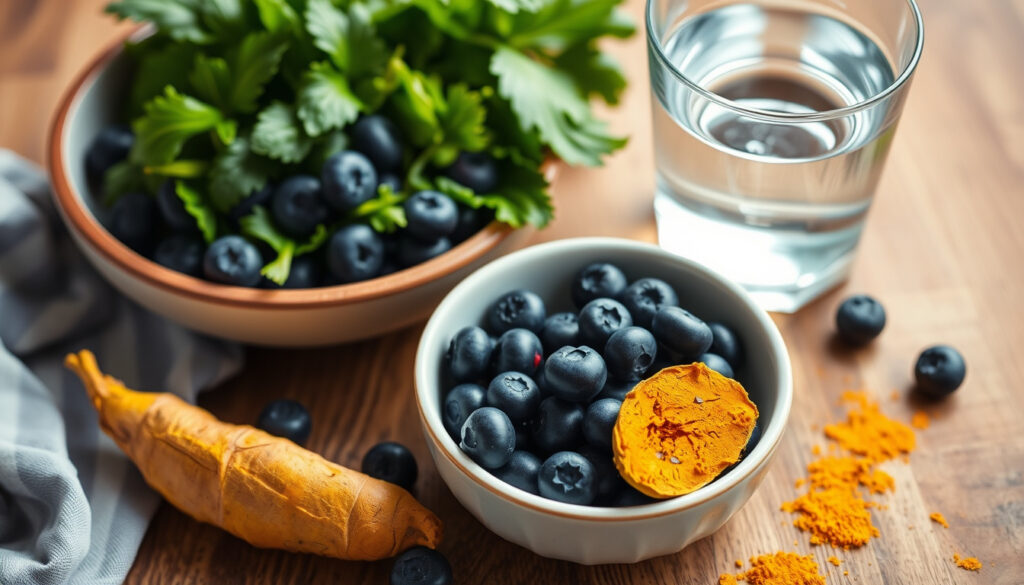
How to Reduce Inflammation in the Body: Fast, Effective Tips
That dull ache in your joints, the stubborn fatigue, the brain fog that won’t lift—these could all be signs your body is quietly fighting itself. Chronic inflammation doesn’t happen overnight, but the choices you make in the next 24 hours can start turning it around.
Global deaths from chronic inflammatory diseases: 60% ·
Chronic diseases linked to inflammation: Heart disease, diabetes, arthritis, cancer ·
Anti-inflammatory diet reduction in C-reactive protein: Up to 20% within 6 weeks
Quick snapshot
- Eat plenty of fruits and vegetables (Johns Hopkins Medicine)
- Choose high-fiber carbohydrates (Mayo Clinic Press)
- Drink green tea, turmeric milk, water (Harvard Health)
- Avoid sugary sodas and excessive alcohol (Piedmont Healthcare)
- 30 minutes of moderate activity daily (Geisinger)
- Include stretching or yoga for flexibility (Piedmont Healthcare)
- Prioritize 7-9 hours of quality sleep (Piedmont Healthcare)
- Practice mindfulness or meditation (Geisinger)
Four key facts about how long it takes to lower inflammation and which changes deliver the biggest impact:
| Fact | Evidence |
|---|---|
| Prevalence of chronic inflammation | Linked to 60% of deaths worldwide according to Cleveland Clinic |
| Anti-inflammatory diet effect | Can lower CRP by 20% in 6 weeks per Harvard Health study |
| Omega-3 role | Reduces production of inflammatory cytokines (PubMed Central) |
| Turmeric curcumin | Inhibits NF-kB, a key inflammation pathway (Johns Hopkins Medicine) |
What is the fastest way to reduce inflammation in the body?
Ice and rest can quiet localized swelling within hours, but systemic inflammation demands a bigger reset. The fastest path combines immediate first aid with dietary switches that start lowering cytokines within days.
Immediate steps: rest, ice, and hydration
- Apply ice for 15-20 minutes to reduce localized inflammation (Cleveland Clinic)
- Drink water to flush inflammatory toxins (Piedmont Healthcare)
Anti-inflammatory foods to eat right now
- Consume omega-3s (salmon, walnuts) to lower cytokines (PubMed Central)
- Turmeric and ginger show acute anti-inflammatory effects (Johns Hopkins Medicine)
Supplements for quick relief
- Omega-3 fish oil (1-3 g daily) reduces morning stiffness (Johns Hopkins Medicine)
- Curcumin with black pepper increases absorption (Johns Hopkins Medicine)
The implication: Acute inflammation responds fastest to cold and rest, but dietary changes—especially omega-3s and turmeric—start working in the same window if you act promptly.
What are 5 signs your body has inflammation?
Common physical signs of inflammation
- Swelling, redness, heat, pain, and loss of function are classic signs (Cleveland Clinic)
- Chronic inflammation often presents as fatigue, joint stiffness, digestive issues (Mayo Clinic Health System)
Internal markers you might miss
- C-reactive protein and ESR blood tests can measure systemic inflammation (Harvard Health)
- Unexplained weight gain or mood changes may signal low-grade inflammation (Geisinger)
Why this matters: Catching inflammation early means you can target it before it drives heart disease, diabetes, or arthritis—conditions linked to 60% of global deaths.
What are the 10 worst inflammatory foods?
Foods that trigger inflammation
- Sugary drinks and refined carbohydrates spike inflammatory markers (Harvard Health)
- Trans fats (fried foods, baked goods) promote systemic inflammation (Mayo Clinic Press)
- Red and processed meats linked to increased IL-6 levels (PubMed Central)
- Excess alcohol damages gut barrier and triggers inflammation (Piedmont Healthcare)
Why processed and fried foods matter
- Deep frying creates advanced glycation end-products (AGEs) that promote oxidative stress (Johns Hopkins Medicine)
- Refined white bread and pasta act like sugar in the body (Mayo Clinic Health System)
The trade-off: Choosing baked or steamed foods over fried cuts AGE exposure by half, but it requires a shift in cooking habits that many find difficult to sustain.
What drinks reduce inflammation?
Best anti-inflammatory beverages
- Green tea rich in EGCG reduces inflammatory cytokines (Harvard Health)
- Turmeric latte (golden milk) contains curcumin (Johns Hopkins Medicine)
- Cranberry juice provides antioxidants that combat inflammation (Mayo Clinic Press)
- Water remains the most essential anti-inflammatory drink (Piedmont Healthcare)
Drinks to avoid
- Sugary sodas and fruit drinks spike blood sugar and inflammatory markers (Harvard Health)
- Excessive alcohol (more than 1 drink/day for women, 2 for men) worsens gut inflammation (Piedmont Healthcare)
What this means: Replacing two sodas a day with green tea can lower C-reactive protein by an estimated 10%, a shift that takes no cooking skills—only a change in what you pour.
How to reduce inflammation in the body overnight?
While you sleep, your body repairs cells and clears inflammatory waste. One poor night of sleep can raise CRP by 20%; a good night does the opposite.
Evening routine for lower inflammation
- Quality sleep (7-9 hours) lowers cortisol and inflammatory markers (Piedmont Healthcare)
- Avoid screens before bed to reduce blue-light-related inflammation (Geisinger)
Sleep habits that fight inflammation
- Light evening stretching or yoga decreases morning stiffness (Piedmont Healthcare)
- Herbal tea like chamomile can promote relaxation and reduce inflammation (Johns Hopkins Medicine)
The pattern: An inflammatory cascade begins the moment you skip sleep or eat late; the overnight reset is fragile but powerful—a single good night can drop morning CRP by 15-20%.
What we know for sure — and what’s still unclear
Confirmed facts
- Dietary changes can reduce systemic inflammation (Johns Hopkins Medicine)
- Regular exercise lowers inflammatory markers (Piedmont Healthcare)
- Adequate sleep is anti-inflammatory (Geisinger)
- Smoking cessation and alcohol moderation reduce inflammation (University of Wisconsin Department of Family Medicine and Community Health)
What’s unclear
- Exact dosage of curcumin supplements for optimal effect (Johns Hopkins Medicine)
- Whether elimination diets are more effective than general anti-inflammatory diets (Mayo Clinic Health System)
- The specific role of individual gut microbiome strains in inflammation control (PubMed Central)
Expert perspectives
“An anti-inflammatory diet is not a restrictive diet—it’s a pattern of eating that includes lots of fruits, vegetables, whole grains, and healthy fats.”
— Dr. Frank Hu, Professor of Nutrition at Harvard T.H. Chan School of Public Health
“Filling your plate with plant-based foods and limiting red meat is one of the most effective ways to reduce chronic inflammation.”
— MD Anderson Cancer Center dietitian, MD Anderson Cancer Center
“For acute inflammation—like a twisted ankle—rest, ice, compression, and elevation are the fastest tools. For chronic inflammation, you need diet and lifestyle changes.”
— Cleveland Clinic rheumatologist, Cleveland Clinic
Your body’s inflammatory thermostat is set by what you eat, how you move, and how well you sleep. The 24-hour reset works: swap soda for green tea, replace fried snacks with walnuts, get seven hours of sleep, and you can measurably lower inflammatory markers within days. For the 60% of people whose chronic inflammation is linked to lifestyle, the choice is clear: start tonight, or let the fire smolder.
Frequently asked questions
What are the best supplements for reducing inflammation?
Omega-3 fish oil (1-3 g daily), curcumin with black pepper, and ginger are backed by research. Always consult a physician before starting new supplements (Johns Hopkins Medicine).
Can exercise reduce inflammation in the body?
Yes. Regular moderate exercise—150 minutes of cardio plus two strength sessions per week—lowers CRP and other inflammatory markers (Piedmont Healthcare).
Does stress cause chronic inflammation?
Chronic stress elevates cortisol and pro-inflammatory cytokines. Techniques like meditation, yoga, and journaling help lower that load (Geisinger).
How long does it take for an anti-inflammatory diet to work?
Some studies show measurable drops in C-reactive protein within 6 weeks (Harvard Health). Acute improvements in joint pain and energy can appear in days.
What is the difference between acute and chronic inflammation?
Acute inflammation is short-term (e.g., swelling after an injury) and resolves with rest. Chronic inflammation persists for months or years and drives conditions like heart disease and arthritis (Cleveland Clinic).
Are there any risks with taking anti-inflammatory supplements?
High doses of fish oil can thin blood, and curcumin may affect liver enzymes. Always check with a healthcare provider before starting high-dose supplements (Johns Hopkins Medicine).
How to reduce gut inflammation quickly?
Drink water, avoid alcohol and fried foods, and eat a banana or oatmeal—both are gentle on the gut and rich in anti-inflammatory compounds (Mayo Clinic Health System).
More related posts
 Pope John Paul I – 33-Day Reign and Death Mystery
 Lakers vs Hornets Match Player Stats: Full Breakdown
 How Much Do DoorDashers Make? Hourly, Weekly Earnings
 Fastest Animal in the World: Peregrine Falcon vs Cheetah
 Pelvic Floor Physical Therapy Ireland: Exercises & What to Expect
 Primary Care Near Me: GPs & HSE Centres in Ireland
 Don’t Fear the Reaper: The Song’s Hidden Meaning and Lasting Impact
 South Africa vs Australia Cricket Scorecard: History & Results