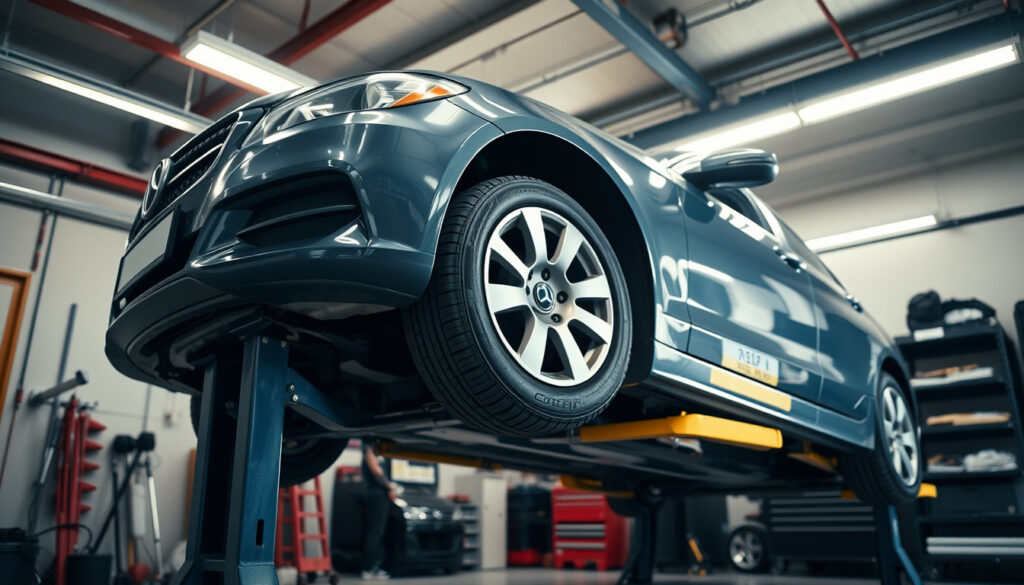
How to Align Car Tires – Step-by-Step DIY Guide
Proper wheel alignment keeps vehicles driving straight, tires wearing evenly, and suspension components lasting longer. While professional shops use computerized equipment to measure three angles— toe, camber, and caster—home mechanics can perform basic toe adjustments with simple tools and careful technique. This guide covers signs you need alignment, DIY steps, costs, safety precautions, and when to leave the job to professionals.
Misaligned tires create handling problems, reduce fuel efficiency, and wear through rubber faster than expected. Understanding how alignment works helps you decide whether a home repair suits your situation or whether a shop visit makes more sense.
How Do You Align Car Tires at Home?
DIY alignment focuses primarily on adjusting toe—the angle at which wheels point inward or outward relative to the vehicle’s centerline. Full alignments including camber and caster adjustments require specialized gauges, lifts, and turn plates that most home garages lack.
- Wheel alignment corrects three angles: toe, camber, and caster
- DIY work handles toe adjustments effectively with basic tools
- Professional shops measure all three angles with computerized precision
- Incorrect toe causes uneven tire wear, pulling, and poor handling
- Most vehicles need slight toe-in for stability—front tires about 1/16 inch closer than rear
- Balancing differs from alignment; it evens weight distribution to reduce vibrations
| Aspect | DIY | Professional |
|---|---|---|
| Accuracy | Basic toe (±1/16″) | Full 3D measurement |
| Cost | $20–50 for tools | $75–200 per alignment |
| Time | 45–90 minutes | 30–60 minutes |
| Scope | Toe only; basic camber possible | Full 4/8-wheel coverage |
| Best For | Minor toe issues | Severe misalignment |
Tools You Need to Align Car Wheels
Basic toe setup requires jack stands, string or fishing line, a tape measure or caliper, and wrenches or pliers for tie rod adjustments. Advanced DIYers add toe plates, camber gauges, laser alignment tools, and turn plates. Without any tools, you can still measure using a tape measure across tire fronts and rears or by using cardboard and string.
Understanding Alignment Angles
Toe determines whether the fronts of your tires point closer together or farther apart than the rears. Most vehicles require slight toe-in for straight-line stability. Camber measures the wheel’s vertical tilt—positive camber tilts the tops outward, negative inward—which affects how tires contact the ground during cornering. Caster tracks the steering axis tilt forward or backward, influencing straight-line stability and how steering returns after turns.
Wheel balancing evens tire weight distribution to eliminate vibrations at speed using spin balancers. Alignment adjusts the angles at which tires contact the road. These are distinct services addressing different problems.
What Are the Signs Your Car Needs Wheel Alignment?
Several symptoms indicate your wheels may need attention. Uneven tire wear—particularly along the inner or outer edges—often signals camber problems. If your vehicle pulls consistently to one side, the steering wheel sits off-center, or handling feels vague and wandering, misalignment could be the cause.
How to Check If Tires Are Aligned
Visual inspection offers the first clue. Examine tire tread for wear patterns. Drive on a flat, straight road and observe whether the vehicle drifts without hands on the wheel. Check whether your steering wheel sits slightly rotated when wheels point straight. Professional shops verify alignment with computerized sensors, but these home checks help you decide whether to investigate further.
What Causes Car Tires to Go Out of Alignment?
Hitting potholes, curb strikes, and road debris bend suspension components. Worn tie rods, struts, control arms, and ball joints allow angles to shift over time. Installing new tires or suspension parts changes geometry and often requires re-alignment. Even normal driving stresses components; the AAA recommends checking alignment after any significant impact like hitting a pothole at speed.
After any hard impact—hitting a pothole, striking a curb, or colliding with debris—visually inspect tires and monitor handling. Early detection prevents accelerated tire wear and protects other suspension components.
Can You Align Your Own Tires?
DIY alignment works well for basic toe corrections when symptoms are mild and you have adequate tools. Professional alignment offers machine precision across all three angles and catches issues like thrust angle problems that affect overall vehicle tracking. The choice depends on your comfort level, symptoms severity, and whether your vehicle has adjustable suspensions.
Is It Safe to DIY Wheel Alignment?
DIY toe adjustment carries acceptable risk when performed on a stable, level surface with proper jack stands. Safety requires chocked wheels, never working under an unsupported vehicle, and understanding that incorrect adjustment worsens handling and could increase crash risk. Camber and caster adjustments without proper gauges risk stability issues, so many DIYers limit themselves to toe-only corrections.
Using inadequate jack stands risks collapse and serious injury. Always use jack stands rated for your vehicle’s weight, never work beneath a vehicle supported only by a jack, and ensure the vehicle cannot roll while you’re underneath.
Step-by-Step DIY Tire Alignment Process
Park on a level surface and use shims or plates if needed to achieve this. Check and inflate all tires to manufacturer-specified PSI. Roll the vehicle forward and backward several times to settle the suspension, then center the steering wheel using a seatbelt or strap to hold it straight.
Place jack stands or step stools ahead of and behind each wheel. Run taut string parallel to your vehicle’s centerline at hub height—about one inch from center caps. Position the string at equal distance from both rear wheels, adjusting for any track width differences between front and rear.
Measure from the string to the front and rear edges of each tire at the same height. Most vehicles need toe-in where the front measures approximately 1/16 inch closer to the string than the rear. Measure each wheel individually for precision. To adjust, loosen the tie rod nuts, turn the rods in small increments—quarter or half turns—and retighten while rechecking your measurements.
After adjustment, remeasure twice and take a test drive noting any pulling or vibration. Full verification including camber and caster requires additional tools. Vehicle specifications vary; consult your owner’s manual for exact toe and camber settings. Front-wheel-drive vehicles particularly benefit from attention to front toe angles.
How Much Does Wheel Alignment Cost?
Professional wheel alignment typically runs $75 to $150 at independent shops, with dealership prices often higher. The cost varies by vehicle type, location, and whether you’re adjusting two or four wheels. Some vehicles with adjustable rear suspensions or advanced systems cost more due to additional complexity.
DIY Investment
Basic DIY alignment tools cost $20 to $50 for string, tape measure, and basic gauges. Advanced tools like digital camber gauges and laser alignment systems run $100 to $200 or more. If you perform multiple alignments or want higher precision, investing in better tools pays off over time. Once purchased, tools work for years across multiple vehicles.
When Professional Alignment Makes More Sense
Severe misalignment symptoms—obvious pulling, visible tire wear, or accident damage—call for professional assessment. Vehicles with non-adjustable suspensions or those requiring precise camber and caster settings benefit from shop equipment. Many drivers save the $100+ per job cost for occasional alignments and opt for professional service only when symptoms warrant.
How Often Should You Get a Wheel Alignment?
Check alignment after installing new tires or suspension components, following any significant impact like hitting a pothole, or every 10,000 to 20,000 miles as preventive maintenance. The National Highway Traffic Safety Administration notes that alignment affects vehicle safety and handling, making regular checks worthwhile.
Verify your alignment by performing a road test—driving on a straight, level road to check for pulling—and remeasuring toe. A professional scan tool confirms all three angles meet factory specifications. Between professional checks, monitor tire wear patterns and handling behavior as early warning signs.
What Does Wheel Alignment Actually Correct?
Wheel alignment adjusts the angles at which tires contact the road. Toe controls whether wheels point straight or slightly inward/outward. Camber determines if the wheel tilts at the top or bottom. Caster affects steering feel and straight-line stability. Proper alignment distributes vehicle weight evenly across tire treads, maximizing contact patch and grip.
When these angles deviate from factory specifications, tires wear unevenly and steering suffers. Correct alignment extends tire life significantly, improves fuel efficiency by reducing rolling resistance, and ensures predictable handling. For drivers who notice their vehicle tracking straight with hands off the wheel, proper alignment is working as designed.
Where to Find Reliable Alignment Information
Your vehicle’s owner’s manual contains factory specifications for toe, camber, and caster settings. Service manuals from publishers like Haynes and Chilton provide detailed procedures for specific makes and models. The Consumer Reports alignment guide offers unbiased cost and frequency recommendations based on testing.
Wheel alignment affects how your vehicle handles, how long your tires last, and how safely you can drive. Regular checks catch problems early before they cause expensive damage.
Online resources like SLR Speed’s DIY alignment guide and Instructables tutorials provide step-by-step photo guides for home mechanics. Manufacturer websites and tire retailer guides also explain alignment in consumer-friendly language.
Summary
DIY wheel alignment works for basic toe corrections using string, tape measure, and patience. Professional alignment offers complete three-angle measurement and machine precision for complex issues. Watch for signs like uneven tire wear, pulling, or off-center steering wheel. Check alignment after impacts or every 10,000 to 20,000 miles. Between major services, monitor your vehicle’s handling and tire condition. For related maintenance, learn how to remove skin tags at home or how to write in cursive as independent skills.
Is wheel alignment the same as tire balancing?
No. Alignment adjusts the angles at which tires contact the road (toe, camber, caster). Balancing evens weight distribution around the tire and wheel assembly to eliminate vibration at speed. Both services matter but address different problems.
How often should you get a wheel alignment?
Check alignment after new tires, suspension work, or any significant impact. As preventive maintenance, every 10,000 to 20,000 miles helps catch problems early and extends tire life.
How long does wheel alignment take?
Professional alignment typically takes 30 to 60 minutes. DIY toe adjustment requires 45 to 90 minutes including setup and verification. More complex adjustments or first-time DIYers may need longer.
What tools do you need for DIY wheel alignment?
Basic tools include jack stands, string or fishing line, tape measure or caliper, and wrenches for tie rods. Advanced DIYers add camber gauges, toe plates, and laser alignment tools. Even basic tape measurements work in a pinch.
Can you align car tires without a garage lift?
Yes for toe adjustments. A level surface and jack stands provide sufficient access for measuring and adjusting tie rods. Full camber and caster adjustments without a lift are more challenging but possible with proper gauges and jack stands positioned at the correct heights.
What happens if you don’t align your tires?
Misaligned tires wear out faster—sometimes within a few thousand miles—and cause uneven wear patterns. Vehicles pull to one side, steering feels vague, and fuel economy decreases. Extended misalignment stresses suspension components and can lead to costly repairs.
More related posts
 How Much Nicotine Is in a Cigarette? Brand Data & Health Impact
 What to Drink for Heartburn Relief: Fast Home Remedies
 Green Bay Packers vs New York Giants Match Player Stats – Box Score & Key Insights
 Watch Black Swan (Film) – Where to Stream and Rent 2025
 Who Is Vanessa Trump? Age, Children, Net Worth, Tiger Woods
 Criminal Defense Attorney Near Me – Sumter County Guide
 Best Free Google Sheets Budget Templates (2025 Guide)