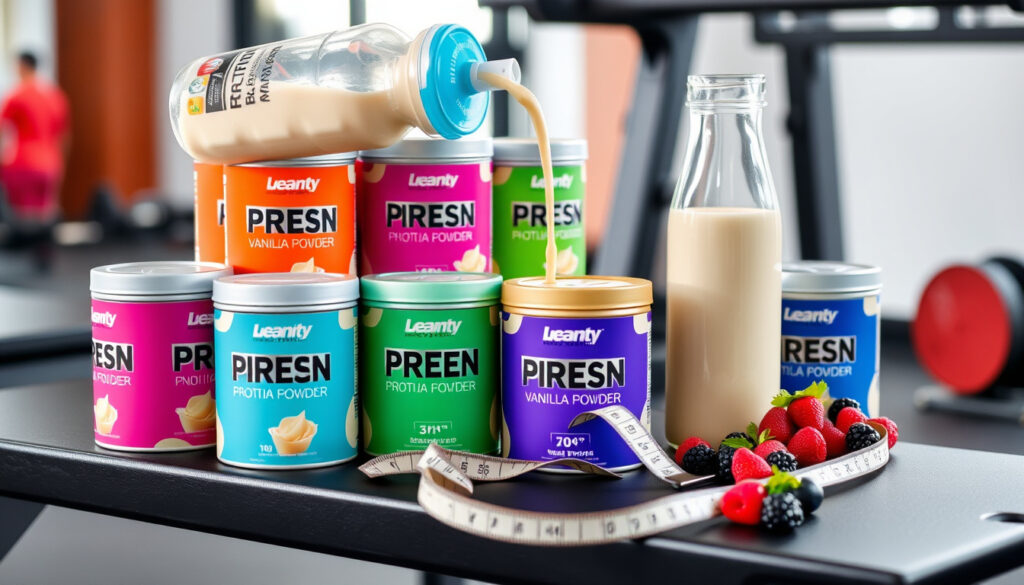
Best Protein Powder for Weight Loss – Top Dietitian Picks 2025
Protein powder has become a cornerstone supplement for those seeking to lose weight while preserving lean muscle. With numerous options available in 2025, choosing the right product can significantly impact results. This guide examines the top protein powders for weight loss based on expert reviews, nutritional profiles, and real-world effectiveness.
Whether following a keto diet, maintaining a low-calorie plan, or simply looking to reduce body fat, the right protein supplement can help control appetite and support metabolism. Dietitians and fitness experts have tested dozens of products to identify which formulas deliver the best results without unnecessary fillers or excess sugar.
What Is the Best Protein Powder for Weight Loss?
After evaluating hundreds of products across nutritional content, ingredient quality, and user outcomes, several options stand out for their weight loss performance. The following selections represent the most effective choices across different categories and dietary needs.
Top 4 Protein Powders at a Glance
| Product | Key Benefit | Calories/Protein | Best For |
|---|---|---|---|
| Naked Whey | Zero sugar, high protein-to-calorie ratio | 120 cal / 25g | Overall winner, keto dieters |
| Thorne Whey Protein Isolate | Digestive enzymes included | 100 cal / 21g | Women, muscle preservation |
| Vega Sport Premium | Highest plant-based protein | 170 cal / 30g | Vegan athletes |
| Isopure Zero Carb | True zero carbohydrates | 100 cal / 25g | Strict keto, belly fat reduction |
Key Insights for Weight Loss Success
- High-protein formulas with 20-30g per serving support appetite control and muscle preservation during calorie deficits
- Whey isolates provide faster absorption than concentrates, supporting quicker recovery between training sessions
- Plant-based options like Swolverine offer complete amino acid profiles without dairy
- Products with added digestive enzymes, such as Thorne, reduce bloating and improve nutrient absorption
- Zero-sugar formulas like Isopure minimize insulin response and support fat burning
- Third-party certifications from NSF for Sport or Informed Choice ensure product purity and label accuracy
- Organic options like Ritual Essential Protein provide clean nutrition without synthetic additives
Complete Nutritional Comparison
| Product | Protein (g) | Calories | Carbs (g) | Sugar (g) | Certifications |
|---|---|---|---|---|---|
| Naked Whey | 25 | 120 | 3 | 0 | Informed Choice, rBGH-free |
| Dymatize ISO100 | 25 | 120 | <2 | 1 | Informed Choice |
| Optimum Nutrition Gold Standard | 24 | 120 | 3 | 1-2 | Informed Choice |
| Isopure Zero Carb | 25 | 100 | 0 | 0 | Informed Choice |
| Thorne Whey Protein Isolate | 21 | 100 | Low | Low | Papain/bromelain enzymes |
| Vega Sport Premium | 30 | 170 | 5 | <1 | NSF for Sport, Non-GMO |
| Swolverine Plant Protein | 25 | 140 | Low | Low | Pea/pumpkin seed blend |
| Garden of Life Raw Fit | 28 | 170 | 11 | <1 | USDA Organic |
| Ritual Essential Protein | 20 | 115 | 3 | 0 | USDA Organic |
| Momentous Whey Isolate | 22 | 110 | 2 | 1 | NSF, Informed Sport |
Is Protein Powder Good for Weight Loss?
Protein powder can be an effective tool for weight loss when used as part of a balanced diet and exercise program. The consensus among fitness and nutrition experts is that high-protein supplementation supports fat loss through several mechanisms.
How Protein Supports Fat Loss
Protein has a higher thermic effect compared to carbohydrates or fats, meaning the body expends more energy digesting and processing it. This increased energy expenditure contributes to a higher overall calorie burn throughout the day. Additionally, protein promotes satiety more effectively than other macronutrients, helping individuals feel fuller for longer periods and reducing overall caloric intake.
When following a calorie-restricted diet, maintaining adequate protein intake becomes crucial for preserving lean muscle mass. Muscle tissue is metabolically active, burning calories even at rest. By protecting muscle during weight loss, protein powders help prevent the metabolic slowdown that often accompanies dieting.
The Science Behind Protein and Belly Fat
Reducing belly fat requires creating a sustained calorie deficit while maintaining muscle mass. Studies and expert reviews indicate that consuming 20-30 grams of protein post-workout supports muscle protein synthesis, which helps the body preferentially burn fat for energy rather than breaking down muscle tissue.
Hydrolyzed whey isolates, such as Dymatize ISO100, are processed for faster absorption, allowing nutrients to reach muscle tissues more quickly after training. This faster delivery can support more efficient recovery and enable higher training frequency, creating greater energy deficits over time.
Dietitians recommend prioritizing products with third-party certifications like NSF for Sport or Informed Choice. These certifications verify that products contain exactly what their labels claim and are free from banned substances, ensuring both safety and effectiveness for weight loss goals.
Can Protein Powder Make You Gain Weight?
Protein powder itself does not cause weight gain when used appropriately. However, consuming protein supplements in addition to an already calorie-sufficient diet can lead to excess calorie intake. The key is to treat protein powder as a meal replacement or snack component rather than an addition to existing meals.
For those tracking macros, substituting a high-protein shake for a higher-calorie meal can create the deficit necessary for fat loss. Products with a high protein-to-calorie ratio, such as Naked Whey with 25 grams of protein per 120 calories, maximize nutritional efficiency while supporting satiety.
Whey vs. Other Proteins: Which Is Best for Fat Loss?
Understanding Protein Types
Whey protein, derived from milk during the cheese-making process, remains the gold standard for muscle building and recovery. Whey concentrate typically contains 70-80% protein by weight, while isolates undergo additional processing to achieve 90% or higher purity with minimal lactose and carbohydrates.
Casein protein, also from milk, digests more slowly, providing a gradual release of amino acids. This makes it suitable for overnight muscle preservation but less ideal for post-workout recovery when rapid nutrient delivery is beneficial.
Whey vs. Plant-Based Protein
Plant-based proteins have improved significantly in amino acid completeness and protein content. Vega Sport Premium delivers 30 grams of protein per serving, matching or exceeding many whey options. Blends like Swolverine combine pea and pumpkin seed proteins to provide all essential amino acids, including the branched-chain amino acids crucial for muscle synthesis.
Plant proteins generally contain slightly higher calories than their whey counterparts and may have higher carbohydrate content depending on the formulation. However, they offer benefits for those with dairy allergies, lactose intolerance, or ethical preferences regarding animal products. Those exploring plant-based nutrition may also find value in reviewing balanced diet nutrients to ensure adequate intake across all macronutrients.
Which Type Delivers Better Results?
For pure weight loss efficiency, whey isolates typically outperform other options due to their rapid absorption and minimal carbohydrate content. Products like Isopure Zero Carb provide complete nutrition without any carbs or sugar, making them ideal for keto dieters or those strictly controlling carbohydrate intake.
However, individual factors matter significantly. Those with dairy sensitivities may find plant-based options easier to digest despite slightly higher calorie counts. The best protein powder is ultimately one that aligns with your dietary preferences, digestive tolerance, and nutritional goals.
Best Protein Powder for Women Losing Weight
Women pursuing weight loss have specific nutritional needs that certain protein powders address more effectively than others. Lower calorie options that minimize bloating while maximizing satiety tend to perform best for female fitness goals.
Top Recommendations for Women
Thorne Whey Protein Isolate has emerged as a standout choice for women focused on reducing belly fat while preserving muscle. At 21 grams of protein per 100 calories, it provides an efficient macronutrient profile. The inclusion of papain and bromelain enzymes aids digestion and reduces the gastrointestinal discomfort that some women experience with dairy-based proteins.
Ritual Essential Protein offers another excellent option with USDA Organic certification and a minimal ingredient list. Containing 20 grams of protein per 115 calories with zero sugar, it supports hormone balance and sustained energy throughout the day without unnecessary additives.
Key Considerations for Female Athletes
Maintaining adequate protein intake becomes particularly important for women during calorie-restricted periods. Insufficient protein can compromise muscle preservation and slow metabolism, making weight loss more difficult over time. Consuming 1.6-2.2 grams of protein per kilogram of body weight supports both fat loss and muscle maintenance.
Products with added fiber, such as Garden of Life Raw Fit, can support digestive health and appetite control but may cause initial gastrointestinal adjustment. Starting with smaller servings and gradually increasing intake allows the body to adapt to higher fiber content. Women focusing on fitness goals may also benefit from understanding exercise motivation tips to maintain consistency during challenging periods.
Registered dietitians frequently recommend Thorne and Ritual for women due to their clean ingredient profiles, minimal additives, and formulations specifically designed to support satiety without causing bloating or digestive discomfort.
How Much and When to Use Protein Powder for Weight Loss?
Recommended Dosage
For weight loss purposes, most experts recommend consuming 1.6 to 2.2 grams of protein per kilogram of body weight daily. For a person weighing 68 kilograms (150 pounds), this translates to approximately 109-150 grams of protein per day. A standard scoop of protein powder provides 20-30 grams, making it convenient to meet these targets.
Most users benefit from one to two scoops daily, depending on dietary protein intake from whole foods. Those with limited meat or dairy consumption may require higher supplementation to reach optimal intake levels.
Optimal Timing Strategies
Post-workout consumption remains popular for muscle recovery and growth. Within 30-60 minutes after training, the body is primed to absorb nutrients for repair and synthesis. However, for weight loss specifically, morning consumption or meal replacement timing can be equally effective for controlling appetite throughout the day.
Mixing protein powder with 8 ounces of water provides the lowest calorie option, typically adding only the protein and minimal additional nutrients. For those following a keto diet, combining zero-carb protein with healthy fats creates a satiating meal replacement that supports fat adaptation.
Practical Usage Tips
- Start with half a scoop when trying a new product to assess tolerance
- Mix with water for lowest calories; use milk alternatives for higher protein content
- Add to smoothies with low-calorie fruits and vegetables for nutrition density
- Pair zero-carb proteins like Isopure with avocado or nuts for keto-friendly meals
- Consistency matters more than perfect timing for long-term results
The Evolution of Protein Powders for Weight Loss
Protein supplementation has evolved significantly over the past three decades, driven by advances in nutritional science and changing consumer preferences.
- 1990s – The Whey Boom: Whey protein gained mainstream popularity as bodybuilding culture expanded. Early products focused primarily on muscle building rather than weight loss applications.
- Early 2000s – Low-Carb Movement: The popularity of low-carbohydrate diets drove demand for protein supplements with minimal carbs and sugars. Isolate formulations became more sophisticated.
- 2010s – Plant-Based Rise: Vegan and plant-based protein powders emerged as viable alternatives to dairy. Pea, rice, and hemp proteins improved in taste and amino acid profiles.
- 2015-2020 – Clean Label Era: Consumers increasingly demanded transparent ingredient lists, organic certifications, and third-party testing. Products without artificial sweeteners and fillers gained market share.
- 2021-2024 – Precision Nutrition: Protein powders incorporated specific enzymes, fiber, and functional ingredients targeting weight management, gut health, and metabolic function.
- 2025-2026 – Personalized Approaches: Current trends emphasize individualized solutions based on goals, dietary restrictions, and metabolic needs. Low-calorie, high-efficiency formulas now dominate weight loss recommendations.
What We Know and What Remains Uncertain
| Established Information | Remaining Questions |
|---|---|
| Protein increases satiety more than carbs or fats | Optimal protein timing for fat loss specifically |
| 20-30g post-workout supports muscle retention | Long-term effects of high-protein supplementation |
| Whey isolates provide faster absorption than concentrates | Individual variations in protein metabolism |
| High protein-to-calorie ratio supports calorie deficits | Optimal protein sources for different body types |
| Third-party testing ensures product purity | Impact of various protein types on hormone levels |
While protein powder can support weight loss efforts, it is not a magic solution. Results depend on overall diet quality, caloric intake, exercise participation, and consistency over time. Individual responses vary based on metabolism, activity level, and genetic factors.
The Role of Protein in Calorie-Restricted Diets
Understanding why protein supports weight loss requires examining how the body responds to caloric restriction. When calories are reduced, the body seeks alternative energy sources. Without adequate protein intake, muscle tissue becomes a primary target for breakdown, leading to loss of metabolically active tissue and a slower resting metabolism.
Protein supplementation helps maintain nitrogen balance and signals the body to preserve lean tissue while accessing fat stores for energy. This preservation of muscle mass is crucial for long-term weight management, as muscle tissue burns significantly more calories than fat tissue at rest.
The high thermic effect of protein also contributes to increased calorie expenditure. Processing protein for digestion and absorption requires approximately 20-30% of the calories consumed, compared to 5-10% for carbohydrates and 0-3% for fats. This means a 200-calorie serving of protein actually provides a net benefit of approximately 140-160 calories to the body.
Sources and Expert Perspectives
This guide draws on testing and reviews from multiple industry publications and expert panels. Bodyspec.com provides comprehensive testing methodology for their top 10 rankings. Men’s Journal incorporates trainer and expert input into their category selections.
“For weight loss, the protein-to-calorie ratio matters most. Look for products that deliver at least 20 grams of protein per serving with minimal added sugars and carbohydrates.” — Dietitian-reviewed guidelines from Los Angeles Times
Fortune Health emphasizes the importance of third-party certifications and clean formulations in their dietitian-picked recommendations. These sources collectively represent the current consensus among fitness and nutrition professionals regarding effective protein supplementation for weight management.
Finding Your Best Protein Powder for Weight Loss
Selecting the optimal protein powder depends on individual goals, dietary preferences, and tolerance factors. For most people seeking weight loss, Naked Whey offers the best combination of high protein content, low calories, and zero sugar. Those requiring dairy-free options can achieve comparable results with Vega Sport Premium or Swolverine Plant Protein.
Women focused on weight loss may find Thorne Whey Protein Isolate or Ritual Essential Protein better suited to their needs, with formulations designed to minimize bloating while supporting satiety. Keto dieters benefit most from Isopure Zero Carb or similar zero-carbohydrate options that integrate seamlessly with high-fat eating patterns.
Regardless of which product you choose, remember that protein powder supplements work best alongside a balanced diet and consistent exercise routine. No supplement can transform your body alone. The most effective approach combines quality nutrition with sustainable lifestyle changes.
Frequently Asked Questions
What are the side effects of protein powder for weight loss?
Common side effects include bloating and digestive discomfort, particularly with whey concentrates due to lactose content. Isolates like Isopure contain minimal lactose. Plant-based options are generally gentler but may cause initial GI issues due to fiber content. Allergic reactions are rare but possible with any protein source.
Best low calorie protein shakes for dieting?
The lowest calorie options include Isopure Zero Carb (100 cal, 25g protein), Thorne Whey Protein Isolate (100 cal, 21g protein), and Ritual Essential Protein (115 cal, 20g protein). These products maximize protein intake while minimizing caloric contribution.
Top protein powders with no sugar for keto weight loss?
Naked Whey and Isopure Zero Carb both contain zero sugar, making them ideal for keto dieters. Thorne Whey Protein Isolate also offers minimal sugar content with added digestive enzymes.
Can protein powder make you gain weight?
Protein powder does not inherently cause weight gain. However, consuming supplements in addition to an already calorie-sufficient diet can lead to excess calorie intake. Use protein powder to replace meals or snacks rather than adding it to existing food intake.
Is whey or casein better for weight loss?
Whey protein is generally preferred for weight loss due to its faster absorption and superior amino acid profile for muscle protein synthesis. Casein may be beneficial for overnight muscle preservation but is less effective for post-workout recovery when rapid nutrient delivery is beneficial.
How much protein powder should I take daily for weight loss?
Most experts recommend 1.6-2.2 grams of protein per kilogram of body weight daily for weight loss. This typically translates to one or two scoops of protein powder per day, depending on your total dietary protein intake from whole foods.
What is the best time to drink protein shake for weight loss?
Post-workout consumption supports muscle recovery and growth. However, morning consumption or meal replacement timing can be equally effective for appetite control and supporting daily calorie deficits.
More related posts
 Trust in God Lyrics: Elevation Worship feat. Chris Brown
 Chautauqua Lake Algae: Health Risks & Safety Guide
 What Time Is the NFL Draft 2026? Schedule & TV Start Times
 Pork Fried Rice Recipe: Ingredients, Secrets & Tips
 Freestyle Skiing at the 2026 Winter Olympics: Venue & Schedule
 India v Sri Lanka Match Scorecard: Record , Stat & Head-to-Head
 Ad Astra Per Aspera: Meaning, Origin & Kansas Motto
 When Will the Sun Explode? Timeline, Myths, and What Will Happen to Earth