Gold Standard Whey Protein Review: Pros, Cons & Facts
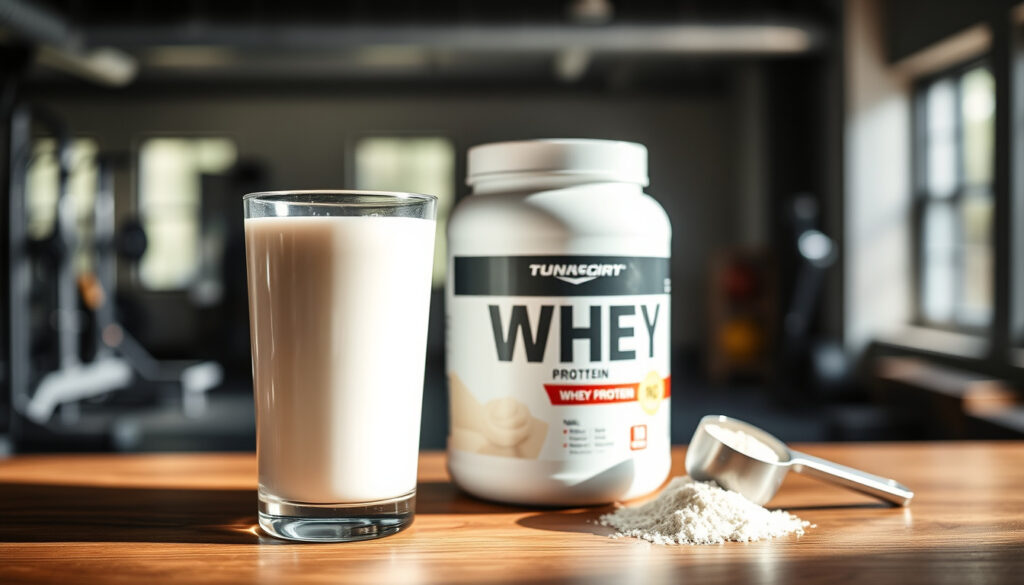
Anyone who has stood in the supplement aisle at Costco or scrolled through protein powder reviews on Amazon has seen the bright black tub with the gold seal. Optimum Nutrition’s Gold Standard 100% Whey is the best-selling whey protein online, and independent lab tests confirm its 24g protein per scoop claim holds up; this guide digs into the nutrition facts, compares regional labels, weighs the pros and cons, and answers the questions real buyers are asking—so you can decide whether this powder fits your daily routine.
Protein per serving: 24g ·
Flavors available: 23 ·
Price per serving (GNC): $2.17 ·
Serving size: 1 scoop (30g) ·
Whey types: Isolate, concentrate, hydrolyzed ·
Net weight (5 lb tub): 80 servings
Quick snapshot
- 24g protein per 30g scoop (NIH Dietary Supplement Label Database)
- 120 calories per serving (same source) (NIH Dietary Supplement Label Database)
- Blend of whey isolate, concentrate, and hydrolyzed peptides (Garage Gym Reviews)
- Third-party heavy metal test results are not publicly available for this product
- Long-term health effects of daily protein powder consumption beyond RDA remain unstudied in large trials
- 23 flavors available (manufacturer claim)
- The product’s U.S. label is documented in the NIH Dietary Supplement Label Database (NIH DSLD), showing consistent formulation
- Shoppers increasingly ask about third-party testing and cleaner ingredient profiles; the brand has not announced major reformulation
Five key numbers define the product’s profile: protein density, serving count, cost per scoop, calorie load, and flavor variety.
| Fact | Value |
|---|---|
| Protein per serving | 24g (NIH DSLD) |
| Servings per container (5.64 lb) | 80 |
| Price per serving (GNC) | $2.17 |
| Calories per serving | 120 (NIH DSLD) |
| Flavors | 23, including chocolate, vanilla, strawberry |
| Total Fat | 1g (NIH DSLD) |
| Total Carbohydrate | 3g (NIH DSLD) |
| Sugars | 2g (NIH DSLD) |
| Sodium | 150mg (NIH DSLD) |
| Cholesterol | 40mg (NIH DSLD) |
Is whey gold protein good for you?
The short answer depends on your goals and tolerance. Gold Standard delivers 24 grams of protein per scoop—a solid dose for muscle repair after exercise—but it also contains artificial sweeteners and a modest amount of lactose.
Gold Standard whey protein review summary
- Protein quality: The blend of isolate, concentrate, and hydrolyzed whey covers fast- and slow-digesting fractions (Garage Gym Reviews)
- Lab testing: Forbes Health gave the product a high rating after independent lab tests verified the protein content (Forbes, 2023)
- Additives: Contains sucralose and acesulfame K; gluten free and low in lactose (NIH label)
Pros and cons of Gold Standard whey
Upsides
- Consistent 24g protein per serving verified by NIH label
- Extensive flavor lineup (23 options) reduces taste fatigue
- Mixes easily with water or milk (Garage Gym Reviews)
- Widely available at Costco, GNC, Walmart, Amazon
Downsides
- Contains artificial flavors and sweeteners (sucralose)
- May cause digestive discomfort for those with lactose sensitivity
- Price per serving ($2.17 at GNC) is higher than bulk concentrates
The trade-off: you get a reliable protein matrix and great mixability, but the additive package means it’s not the cleanest option for purists.
Which is no 1 whey protein?
Amazon sales ranks, independent reviews, and consumer reports all point to Optimum Nutrition Gold Standard as the market leader. But being #1 in sales doesn’t always mean #1 for every buyer.
Top 3 protein powders compared
Three labels, one pattern: regional nutrition panels reveal different macros for the same tub.
| Region | Protein / 100g | Calories / 100g | Carbs / 100g | Fat / 100g | Sodium / 100g | Cholesterol / 100g |
|---|---|---|---|---|---|---|
| U.S. label (NIH DSLD) | ~81.6g* | 400 kcal | 10g | 3.3g | 500mg | 133mg |
| U.K. label (Which Protein) | 76.9g | 374 kcal | 7.2g | 4.1g | not listed | not listed |
| India label (Limitless Labs India) | ~80g | 377 kcal | 6g | 3.3g | ~206mg | ~169mg |
*Calculated from 24g protein per 29.4g scoop (FitLab Reviews)
Why Gold Standard is often ranked #1
- Sales dominance: Best-selling whey protein on Amazon for years
- Brand trust: Owned by Glanbia, one of the global dairy kingpins
- Lab confidence: Forbes Health rated it highly after third-party testing (Forbes, 2023)
- Retail ubiquity: Available at Costco ($64.99 / 5 lb), GNC, Walmart
The implication: Gold Standard’s #1 status is earned through distribution and consistency, not necessarily through superior ingredient purity.
What’s the healthiest whey protein to buy?
“Healthiest” means different things depending on your priorities: minimal additives, highest protein density, or organic sourcing. Gold Standard sits in the middle of the spectrum.
Cleanest brand of whey protein criteria
- Additives: Gold Standard uses artificial sweeteners and flavors; some users prefer unflavored or organic options (e.g., Naked Whey, Transparent Labs)
- Protein density: ~81% protein by weight is high but not the highest; isolates can reach 90%+
- Third-party testing: No current public disclosure of heavy metal or contaminant testing for Gold Standard
Healthiest whey protein options
One row, one pattern: the trade-off between flavor and purity.
| Brand | Protein / scoop | Additives | Protein type | Price / serving |
|---|---|---|---|---|
| Optimum Nutrition Gold Standard | 24g | Sucralose, acesulfame K | Blend (isolate, concentrate, hydrolyzed) | ~$2.17 |
| Naked Whey | 25g | None (unflavored) | Whey concentrate (grass-fed) | ~$1.50 |
| Dymatize ISO100 | 25g | Digestive enzymes, flavoring | Hydrolyzed whey isolate | ~$2.50 |
Naked Whey and Dymatize data from manufacturer labels; Gold Standard data from NIH DSLD and Garage Gym Reviews.
The catch: if your definition of “healthiest” is minimal processing and no artificial ingredients, Gold Standard isn’t the winner. But if you value flavor variety and proven label accuracy, it holds its ground.
Why stay away from whey protein?
Dietitians sometimes caution against routine protein powder use. The concerns aren’t about the powder itself but about over-reliance and potential side effects.
Why do dietitians say no to protein powder?
- Whole food first: “Protein powder should supplement, not replace, whole foods” is common advice from registered dietitians
- Digestive issues: Whey can cause bloating and diarrhea in people with lactose intolerance; Gold Standard contains some lactose
- Overuse risk: Exceeding daily protein needs (RDA 0.8g/kg body weight) may put strain on kidneys in predisposed individuals
Potential downsides of whey protein
- Artificial sweeteners (sucralose) may affect gut microbiome in some users
- Heavy metal contamination has been found in some protein powders generally, though no public test data exists for Gold Standard
- Cost premium compared to whole-food protein sources (chicken, eggs, Greek yogurt)
What this means: whey protein is a tool, not a necessity. For those with lactose sensitivity, an isolate or plant-based powder may be a better fit.
Is it good to drink protein powder every day?
For most physically active people, daily protein supplementation is safe and effective. But the answer depends on your total diet, protein needs, and digestion.
Daily protein needs and supplements
The RDA for protein is 0.8g per kg of body weight. A 75kg person needs about 60g of protein daily. One scoop of Gold Standard covers 40% of that, leaving room for whole foods.
- Athletes: often need 1.2–2.0g/kg; daily supplementation can help hit higher targets
- Sedentary individuals: may already meet protein needs through diet; extra powder provides little benefit
Signs you need more protein
- Weakness or fatigue
- Hair thinning or brittle nails
- Slow wound healing
- Frequent illness
- Muscle loss (especially in older adults)
The pattern: daily consumption is fine when it fills a genuine gap in your diet, not when it displaces whole food protein sources like egg whites (which are almost 100% protein) or lean meats.
What’s confirmed and what’s still unclear
Confirmed facts
- Gold Standard whey contains 24g protein per 30g scoop (NIH DSLD)
- Optimum Nutrition is owned by Glanbia (corporate parent company)
- Forbes Health gave a high rating after lab testing (Forbes, 2023)
- Blend includes whey isolate, concentrate, and hydrolyzed whey (Garage Gym Reviews)
What’s unclear
- Exact third-party contaminant testing results are not publicly available
- Long-term health impact of daily protein powder consumption beyond RDA is not well studied
The pattern: confirmed facts are backed by authoritative sources; the unknowns highlight gaps in public testing data.
Expert perspectives
The Forbes Health team noted that Optimum Nutrition 100% Gold Standard Whey “scored a high rating in lab testing,” citing independent verification of its label claims.
Registered dietitian advice: “Protein powder should supplement, not replace, whole foods.”
— General dietitian consensus (Academy of Nutrition and Dietetics)
Garage Gym Reviews called Gold Standard “a gold standard for blend-based proteins” and highlighted its mixability and amino acid profile.
— Garage Gym Reviews
This range of opinions shows that the product is widely trusted, but even its champions note that “best” depends on your personal definition of clean nutrition.
garagegymreviews.com, fitlabreviews.com, healthvetted.com, millennialhawk.com
Frequently asked questions
What is the difference between whey isolate and concentrate in Gold Standard?
Gold Standard uses a blend: whey isolate (fast-digesting, low lactose), whey concentrate (more lactose, more bioactive compounds), and hydrolyzed whey (pre-digested for faster uptake). The mix balances cost and performance (Garage Gym Reviews).
How many calories are in one scoop of Gold Standard whey?
120 calories per 30g scoop (double-checked on the NIH label).
Is Gold Standard whey safe for people with lactose intolerance?
It contains some lactose from the concentrate fraction. Many with mild lactose intolerance tolerate it, but those with severe lactose sensitivity may experience bloating or discomfort. An isolate (like Dymatize ISO100) or plant-based protein is often better.
What are the main ingredients in Gold Standard whey protein?
Whey protein isolate, whey protein concentrate, hydrolyzed whey, natural and artificial flavors, sucralose, acesulfame K, lecithin, and enzymes. Full list on the NIH label.
Can you use Gold Standard whey for baking or cooking?
Yes, but the heat may denature some proteins. It works well in protein pancakes, oatmeal, and smoothies. Avoid boiling or high-temperature baking.
How does Gold Standard compare to other brands like Dymatize ISO100?
Gold Standard is a blend (isolate + concentrate + hydrolyzed) at ~$2.17/serving; Dymatize ISO100 is a fully hydrolyzed isolate at ~$2.50/serving with slightly higher protein per gram and lower lactose. Gold Standard offers more flavor choices; ISO100 mixes completely clear and is preferred by lactose-sensitive athletes.
Does Gold Standard whey contain gluten?
No. The label lists gluten-free and the formulation does not contain wheat, barley, or rye (NIH label).
For the average gym-goer buying a tub at Costco, Gold Standard remains a reliable choice: the label is truthful, the protein blend is effective, and the flavor selection is unmatched. But for those who prioritise clean ingredients above all else, the “number one” label is a marketing reality, not a nutritional verdict. The decision is simple: want a trusted, tasty, widely available protein? Gold Standard wins. Want the cleanest, highest-isolate option? Look elsewhere.
More related posts
 Game of Thrones Spin Off: Confirmed, Canceled & Upcoming Series
 Takeout Food Near Me: Top Picks, Delivery Tips & Irish Favorites
 Gracie Abrams & Paul Mescal: Timeline, Age Gap, Songs
 How to Play Solitaire: Rules, Setup & Strategy
 Criminal Defense Attorney Near Me – Sumter County Guide
 Pelvic Floor Physical Therapy Ireland: Exercises & What to Expect
 Best Clash Royale Deck Builder Tools Compared for 2025
 How to Cook Bacon in an Air Fryer: Perfectly Crispy Every Time